How to fix water leaks to get rid of moisture problems
How to fix water leaks to get rid of moisture problems
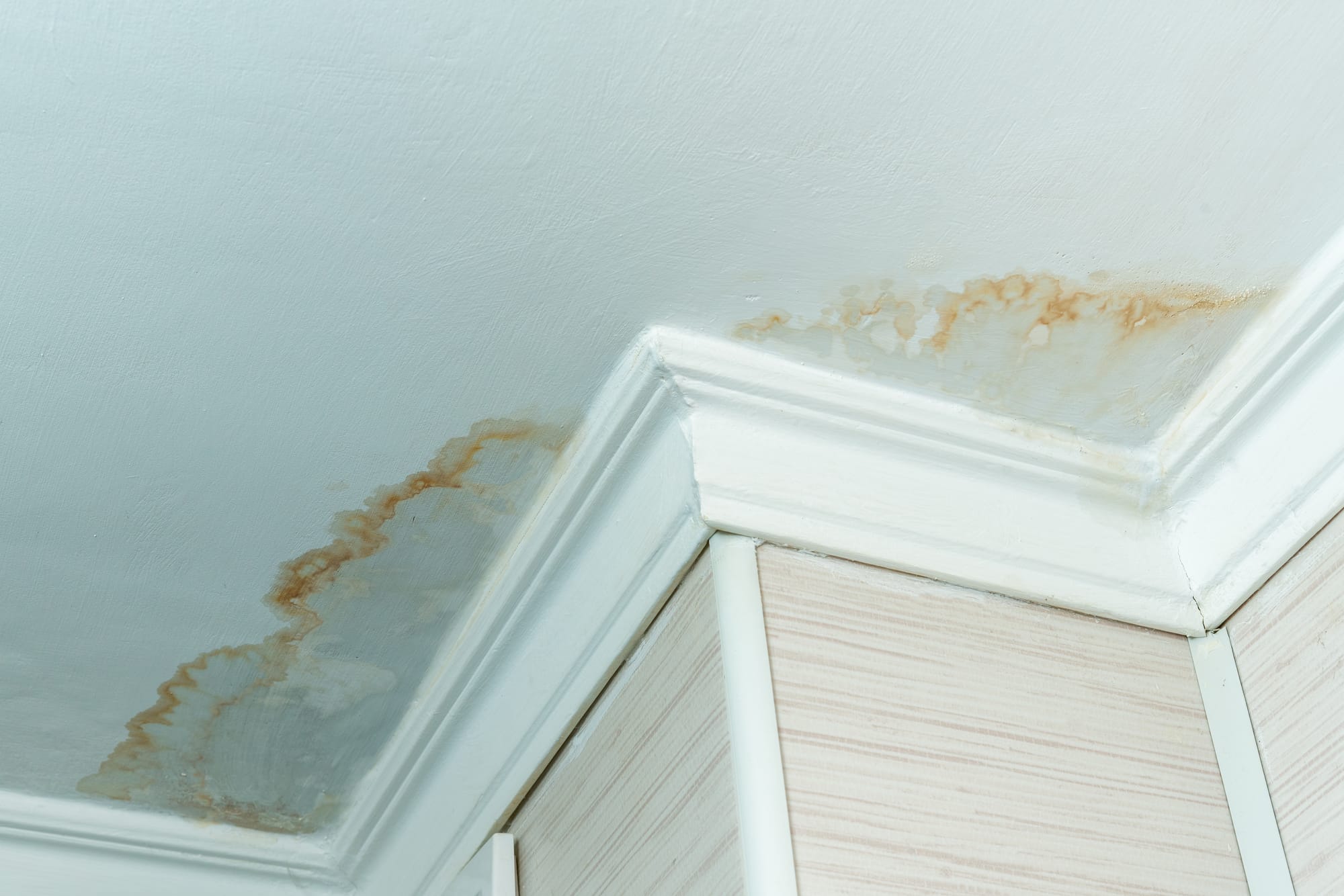
Water leaks are a common problem in many homes and buildings. They can cause dampness, damage walls and ceilings, and lead to white or black stains that detract from the home's appearance. To eliminate dampness problems, water leaks must be repaired effectively. Here are some important tips and steps for fixing water leaks.
1. Identify the source of the leak
Before attempting to repair a water leak, the source of the leak must first be identified. The leak may be due to cracks or holes in pipes, tanks, or faucets. All potential leak areas should be thoroughly inspected to pinpoint the exact location of the leak.
2. Stop the water leak
Once the source of the leak is identified, immediate action must be taken to stop the water flow. Various tools such as wrenches, tape, and hoses can be used to seal leaking valves and pipes.
3. Repairing cracks and holes
Silicone sealant is a common solution for repairing cracks and holes in pipes and tanks. The damaged area should be thoroughly cleaned before applying the sealant, which is then used to completely and properly seal the cracks or holes.
4. Replacing damaged parts
In some cases, repairing a leak may require replacing certain parts, such as damaged pipes or faucets. If the damaged parts are beyond repair, they must be purchased and replaced with new ones. Replacement parts should be carefully selected according to the dimensions and specifications of the old parts.
5. Use sealants
After repairing a leak, sealants can be used to prevent future leaks. Many sealants are available on the market, such as adhesives and sealant tapes. The appropriate sealant should be selected for the specific problem and applied correctly to the pipes and areas prone to leaks.
6. Isolating wet areas
Sealing damp areas after a leak repair can help reduce moisture, mold, and mildew problems. Damp-resistant paints or special coatings can be used to seal walls, floors, and ceilings. These materials must be applied correctly according to the manufacturer's instructions.
7. Dry the area
After repairing the leak and sealing the damp area, the area must be thoroughly dried to prevent the growth of mold and mildew. Electric fans or hot air can be used to speed up the drying process. Ensure that no damp residue remains before reinstalling the walls or flooring.
8. Seek professional assistance
In some cases, it may be best to seek professional help to properly repair water leaks. They may have the knowledge and tools necessary to deal with water leaks effectively. If the water leaks are large or complex, it may be best to rely on experts and specialists in this field.
Repairing water leaks can be a difficult and stressful task, but it's essential to eliminate dampness problems and maintain the building's integrity. A thorough and effective repair is necessary to ensure improved quality of life i